
Dry Eye or Fall Allergies? How to Tell What's Causing Your Eye Irritation
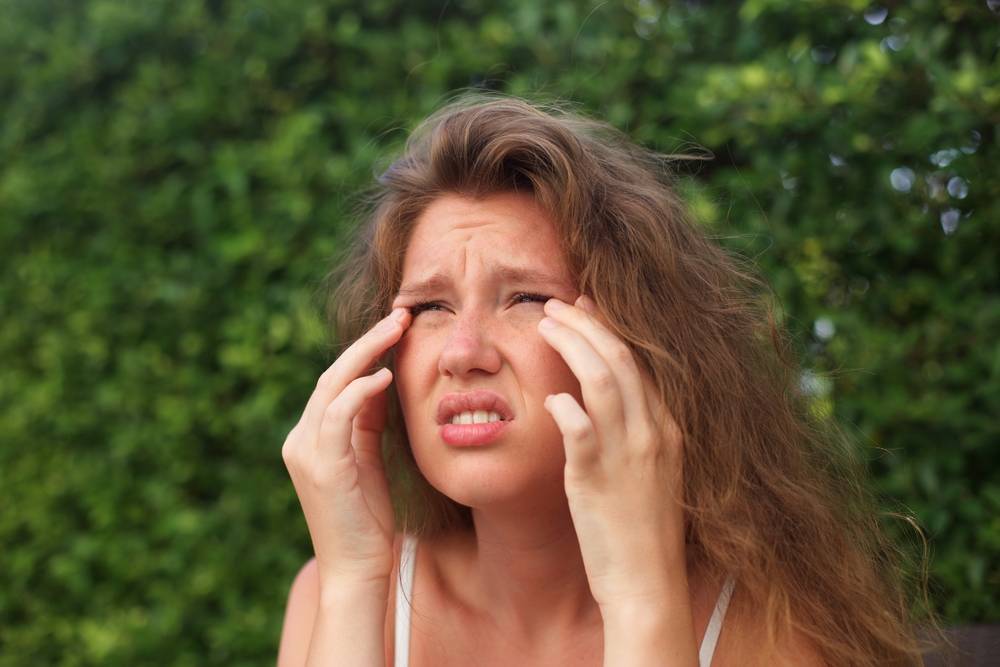
Fall often brings itchy, watery, or burning eyes. Ragweed pollen, outdoor mold, cooler winds, and indoor heating can all contribute to eye discomfort. However, similar symptoms do not always have the same cause. Understanding the differences between dry eye and fall allergies can help you avoid the wrong treatment and know when to schedule an eye exam.
What Do Fall Eye Allergies Feel Like?
Fall allergies can trigger allergic conjunctivitis when the immune system reacts to substances such as pollen or mold spores. Itching is often the biggest clue. Your eyes may also look red, feel watery, or develop puffy eyelids.
Allergy symptoms frequently affect both eyes and may appear alongside sneezing, a runny nose, or nasal congestion. Symptoms can become more noticeable after spending time outdoors, raking leaves, or encountering other allergens. Although allergies can cause significant discomfort, persistent irritation should not automatically be attributed to pollen.
How Is Dry Eye Different?
Dry eye occurs when your eyes do not produce enough tears or when tears evaporate too quickly. Instead of intense itching, people often describe a gritty, scratchy, burning, or tired sensation. Vision may briefly blur, especially while reading, driving, or using screens.
Surprisingly, dry eyes can also water excessively. This happens when irritation triggers reflex tearing, so watery eyes alone cannot distinguish dryness from allergies. Fall winds, heating vents, reduced blinking, and contact lens wear can make dry eye symptoms more noticeable.
Dry Eye vs. Fall Allergies: Signs to Watch For
These clues may help you recognize patterns in your symptoms:
· Itching: Strong itching, especially in both eyes, points more toward allergies.
· Burning or grittiness: A sandy or stinging feeling is more typical of dry eye.
· Nasal symptoms: Sneezing and congestion alongside eye irritation suggest allergies.
· Timing: Symptoms after pollen exposure may suggest allergies, while discomfort during screen use may suggest dry eye.
· Fluctuating vision: Blurriness that improves after blinking may indicate an unstable tear film.
These are general patterns, not a diagnosis. You can also experience dry eye and seasonal allergies at the same time.
What Helps Relieve Eye Irritation?
For suspected allergies, a cool compress, avoiding eye rubbing, and reducing pollen exposure may help. Allergy eye drops can be useful for some patients, but the right product depends on your symptoms. Oral antihistamines may also worsen dryness in certain people.
For dry eye, lubricating artificial tears, taking screen breaks, and keeping heating vents directed away from your face may provide relief. At Manasco & Britton, we can evaluate your tear film and eye health to identify contributing factors and discuss appropriate dry eye care, including punctal plugs when indicated.
If you develop significant pain, light sensitivity, sudden vision changes, or a red, painful eye while wearing contact lenses, seek prompt medical evaluation rather than assuming the problem is seasonal.
Schedule a comprehensive eye exam with Manasco & Britton in Haleyville, AL, by calling (205) 486-4321 to find out what's causing your eye irritation and explore appropriate relief.
Helpful Articles

All Eye Care Services
Find personalized eye care excellence with our comprehensive services. From eye exams to advanced diagnostics, trust us for all your vision needs.
Keep In Touch
For non-urgent questions or to learn more about our services, contact us today!
Hours of Operation
- Monday 8:00am - 5:00pm
- Tuesday 8:00am - 5:00pm
- Wednesday 8:00am - 2:00pm
- Thursday 8:00am - 5:00pm
- Friday 8:00am - 12:00pm
- Saturday Closed
- Sunday Closed
- *Closed for lunch from 12:00pm - 1:00pm on Mon, Tue, Thu
- Monday
- Tuesday
- Wednesday
- Thursday
- Friday
- Saturday
- Sunday
- Monday
- Tuesday
- Wednesday
- Thursday
- Friday
- Saturday
- Sunday
© 2026 Manasco & Britton. All rights Reserved - Accessibility Statement - Privacy Policy - Sitemap
Managed and Designed by 